Organization
Snelder strives for collaboration with our customers and sustainable growth. Quality and flexibility are our top priorities. Thanks to our modern machinery and state-of-the-art warehouse, we can deliver custom products and respond quickly to our customers’ needs.
In a 5-minute company presentation, we’ll give you an overview of our business.
Departments
At Snelder, we have several departments:
The Sales Department is a central hub within the Snelder organization. Sales is responsible for preparing and processing quotes, order processing, and managing production. Supported by the advanced ERP software IQ from Ridder Datasystems, we are able to respond effectively to our customers’ needs. The software package simplifies the complex business processes of production, warehousing, inventory management, and planning. For customers, this means we can immediately outline the options for material delivery.
Our many years of experience enable us to perform customized cost estimates—for ventilation and shading systems, among other things—that meet our customers’ specific needs.
A good product is one thing, but providing service is just as important. As far as we’re concerned, delivery agreements are meant to be honored. Where necessary, we therefore provide all possible support to ensure our systems function as optimally as possible.
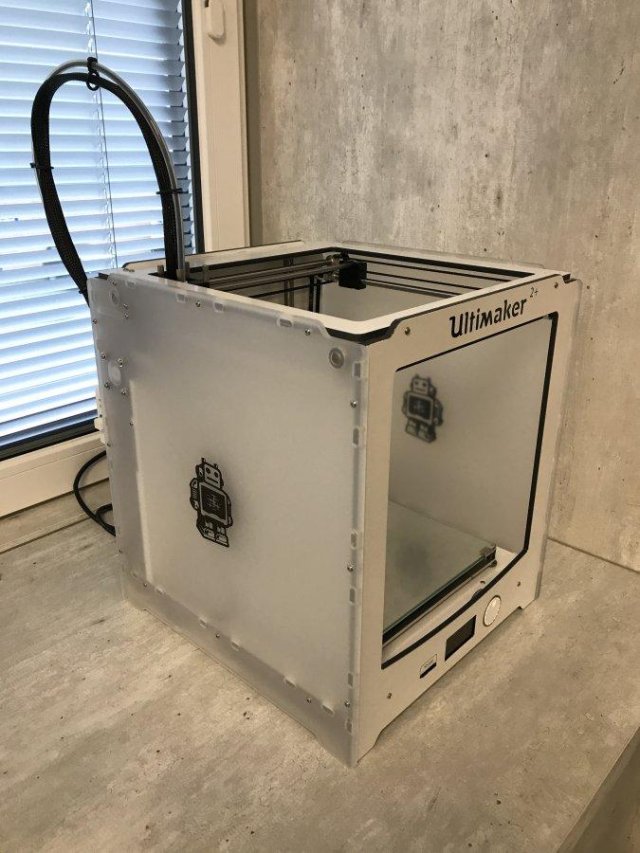
Snelder places great value on innovation and expanding knowledge, which is why it invests in the development of new products. Before we bring a product to market, it must meet strict criteria. The design phase is conducted entirely in 3D CAD. If necessary, the design’s structural integrity is verified using finite element analysis software. Snelder has a test greenhouse where it can conduct extensive endurance testing. Next, a field test is conducted to ensure the product aligns as closely as possible with real-world conditions. We also frequently have our products tested by an independent organization to rule out any potential issues. Once all these steps have been successfully completed and an evaluation has taken place, the product is approved for release.
For double-flow ventilation in a greenhouse, Snelder uses a 3D simulation model. This allows the company to analyze the push rods in the roof sash—push rods that, as it were, interlace with one another. In practice, the push rods must always move freely. Since this requires a high degree of precision during both production and installation, it is important to know exactly where the push rods need to be bent. This ensures optimal ventilation capacity.
In collaboration with TNO Bouw, a calculation module was developed in Mathcad that determines the dimensions of the push rods in Venlo greenhouses in accordance with NEN 3859. This calculation also takes into account factors such as the use of insect netting and the wind region of the Netherlands in which the greenhouse is being built. The latter is related to weather influences, such as the wind pressure to which the greenhouse roof is exposed.
The transition from 2D to 3D has greatly expanded the design possibilities. In addition to faster design and greater accuracy, it also allows for more complex calculations. Snelder is proud to announce that its entire product range is now available in 3D.
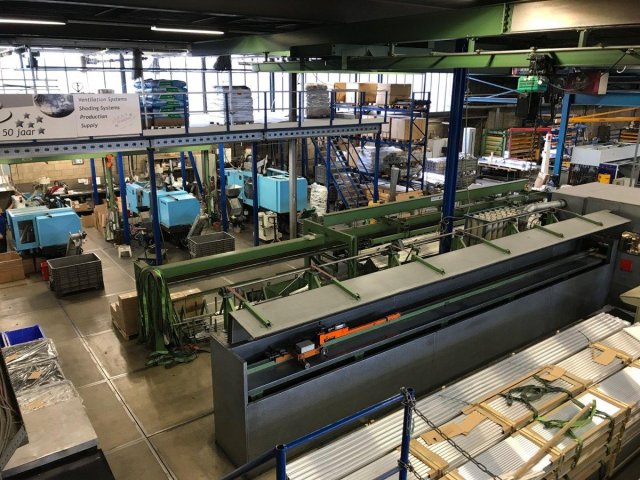
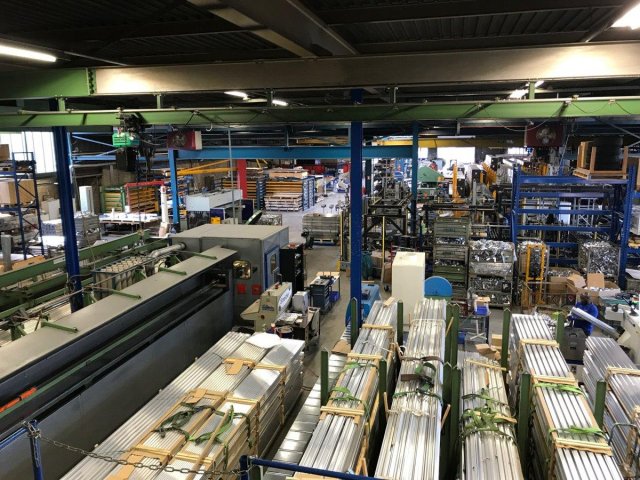
We are particularly proud of the purchase of a punch-laser machine in 2006, which allows us to manufacture products more accurately and quickly. The lower cost of the punching process, combined with the design flexibility of laser technology, opens up additional production possibilities. Our production techniques pages provide a comprehensive list of the machines and their specifications.
Snelder works with common materials such as St 37, Sendzimir, stainless steel, and aluminum, but can also use other commercially available types of steel and aluminum. We maintain close ties with a galvanizing plant and a paint shop to ensure our products are protected for years to come.
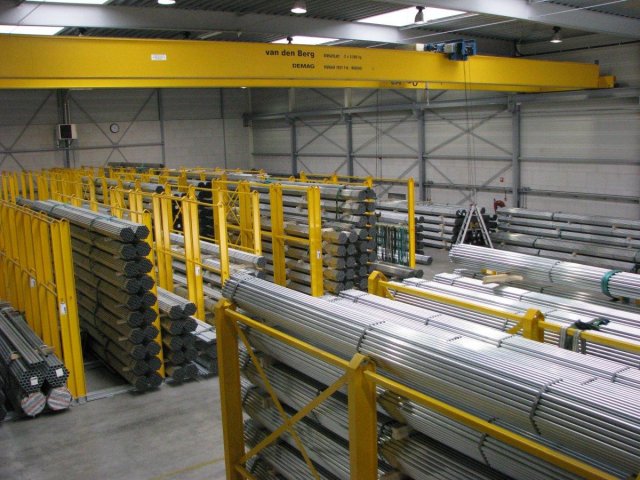
In 2007, the commissioning of a new tube hall allowed us to catch up logistically. Ventilation and screening projects simply require a lot of long components. With its clear span of over 25 meters, the tube hall is ideally suited for this purpose.
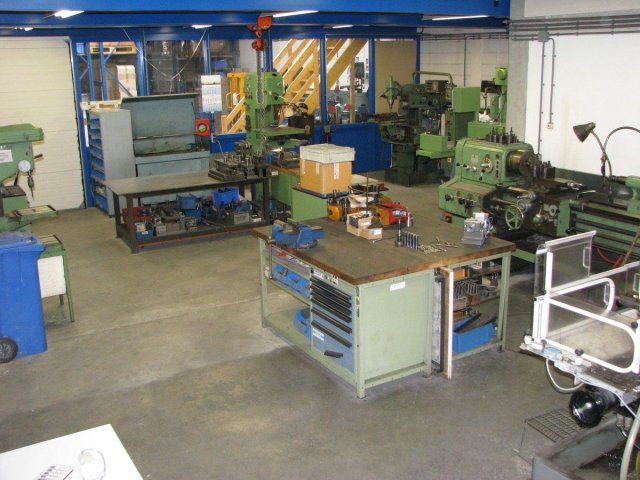
Our Tool Shop manufactures dies and molds for injection molding and general stamping and punching work. In addition to creating prototypes of new products, we also perform maintenance, modifications, and repairs here.
In the manufacture of tools and products, CNC-controlled machines (based on Computer Numerical Control) are used for turning, milling, drilling, grinding, and so on.
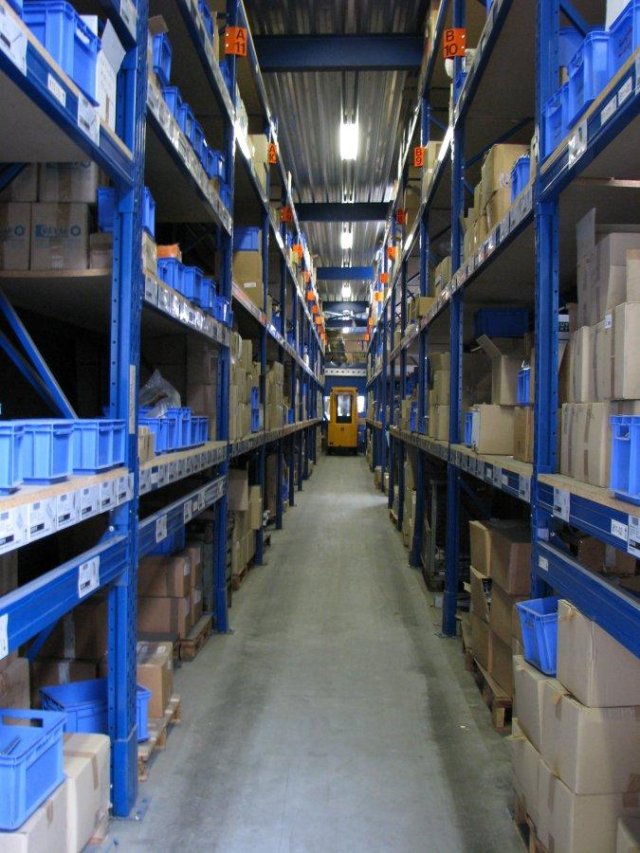
Managing a large warehouse enables us to quickly deliver parts to customers from stock. The market is increasingly demanding “just-in-time” delivery, making efficient logistics and order fulfillment of the utmost importance.
A fully integrated software package monitors production processes, purchasing, and inventory levels for both semi-finished and finished products. We use the IQ ERP package from Ridder Data Systems, which allows us to view the status of an order at any time and make adjustments as needed.
Whether it’s a single product or a large order, our warehouse staff ensure that you receive the right products on time.
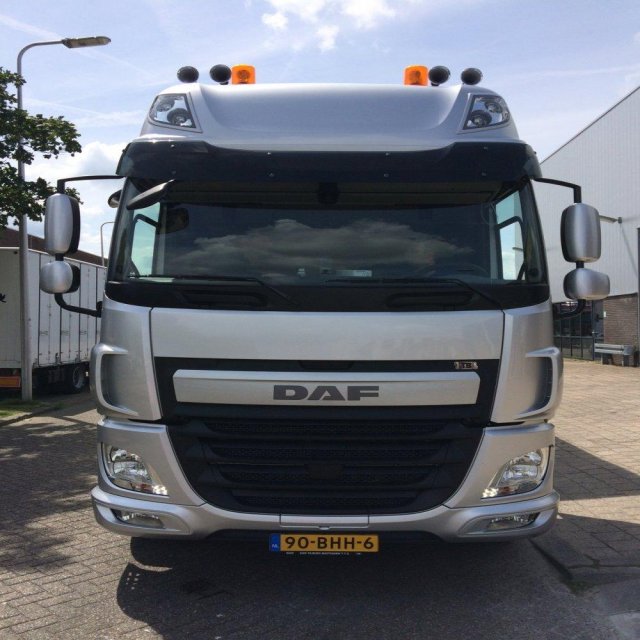
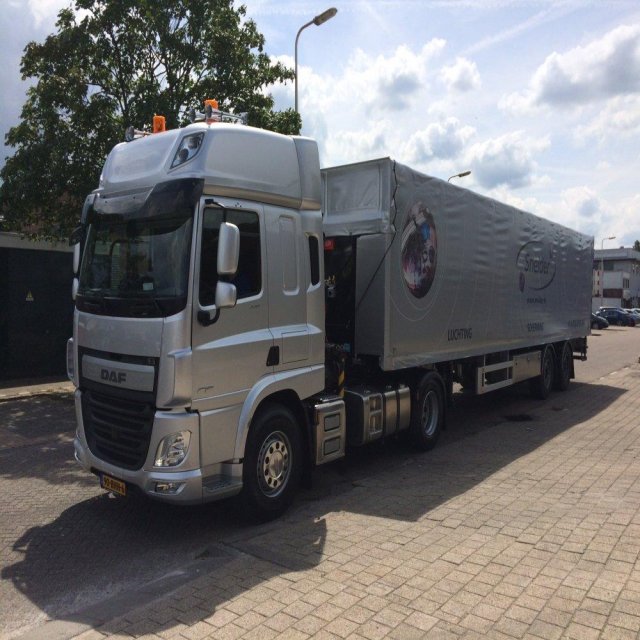
Our in-house transportation service reduces the risk of errors. It also makes us less dependent on third parties. Free delivery in the Netherlands, Belgium, and Germany—but only for scheduled trips. See the schedule below for details.
- Westland: Every Tuesday and Thursday
- Belgium: Every even week on Wednesday
- Germany: Every Wednesday in odd-numbered weeks
For other days and/or delivery addresses, please contact our Inside Sales Department first.