Ventilation
Greenhouses are getting bigger and bigger. As a result, the need for optimal ventilation is increasing. Good ventilation (or airtightness) is not only important for maintaining a consistent climate inside the greenhouse; it also expands the grower’s options.
For years, Snelder has been supplying a wide range of ventilation systems for all standard greenhouses. We design our ventilation mechanisms using a calculation program developed in collaboration with TNO. This ensures that our window openers—manufactured fully automatically from aluminum or steel—guarantee a hermetic seal for the ventilation windows. Snelder’s pushers always comply with the NEN EN13031 standard for greenhouse construction.
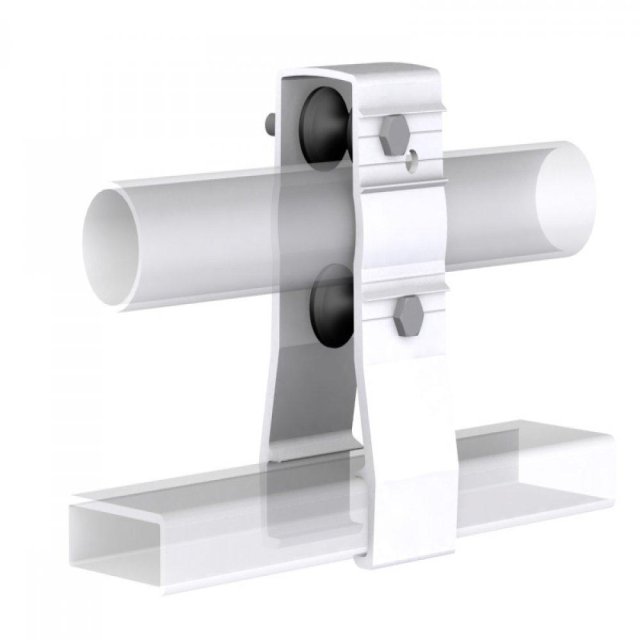
Due to the slope of the greenhouse and the longer window chains, ventilation windows tend to lean to one side. As a result, the push rods in the collection point within the clamping bracket also shift to one side. Result: torsion on the pull/push tube and additional stress on the racks. To counteract this problem, Snelder has developed the stabilizing AK block. The AK block is mounted between the push rods using an extra-wide aluminum clamping bracket and provides the necessary additional stability. This prevents twisting of the pull/push tube and unnecessary wear on the rack gears and drive system.
Snelder guarantees consistent quality for drive shafts used in aeration systems. The shafts are welded fully automatically, using various types of sprockets as well as weld-slide couplings. Snelder supplies complete aeration systems, including gearmotors and accessories from various manufacturers.
Ventilation Systems
In greenhouse horticulture, we use various ventilation systems:
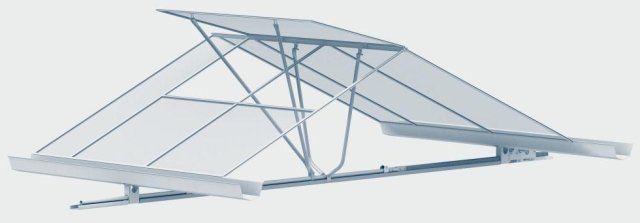
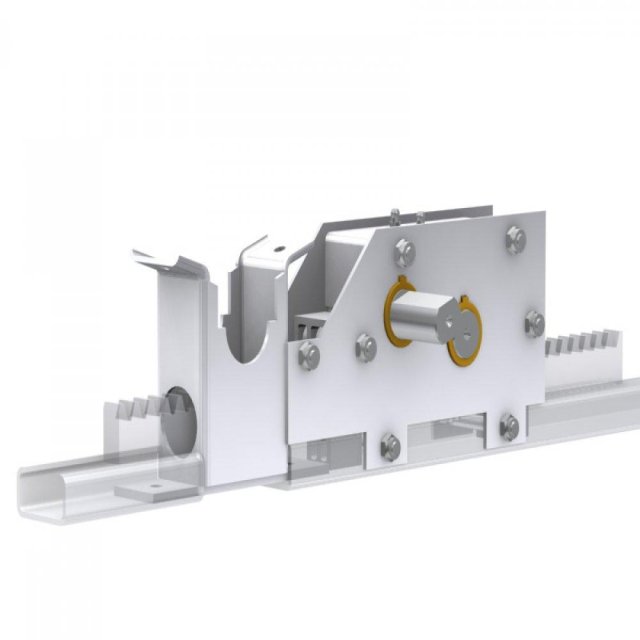
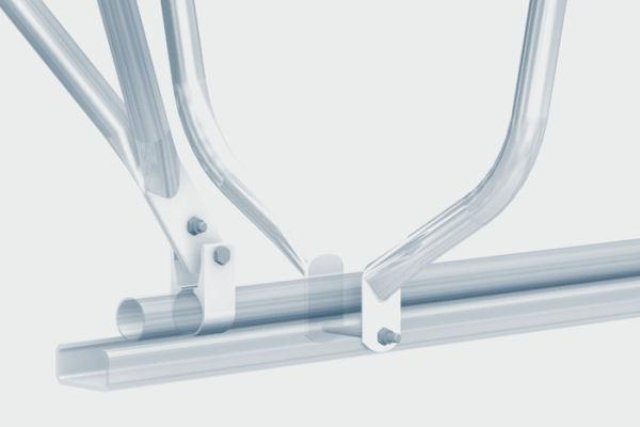
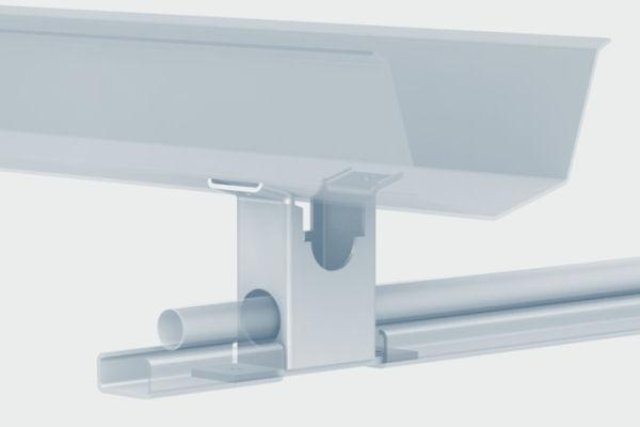
In head-end ventilation systems, the lattice girder is missing, which means the pressure plates must be supported in a different way. The solution is a floating C-beam that is attached to the gutter via a beam support. Snelder offers special, compact rail mechanism housings that are mounted inside the C-beam. This design is extremely compact and blocks very little light from entering the greenhouse.
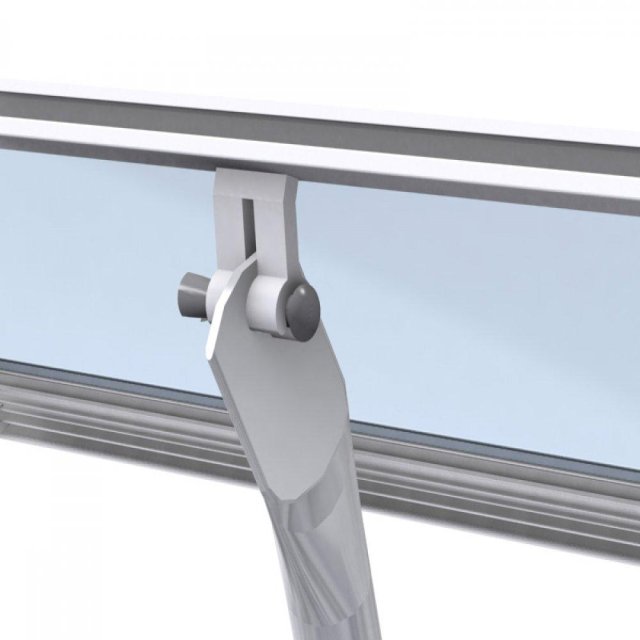
In head-end ventilation systems, the lattice girder is missing, which means the pressure plates must be supported in a different way. The solution is a floating C-beam that is attached to the gutter via a beam support. Snelder offers special, compact rail mechanism housings that are mounted inside the C-beam. This design is extremely compact and blocks very little light from entering the greenhouse.
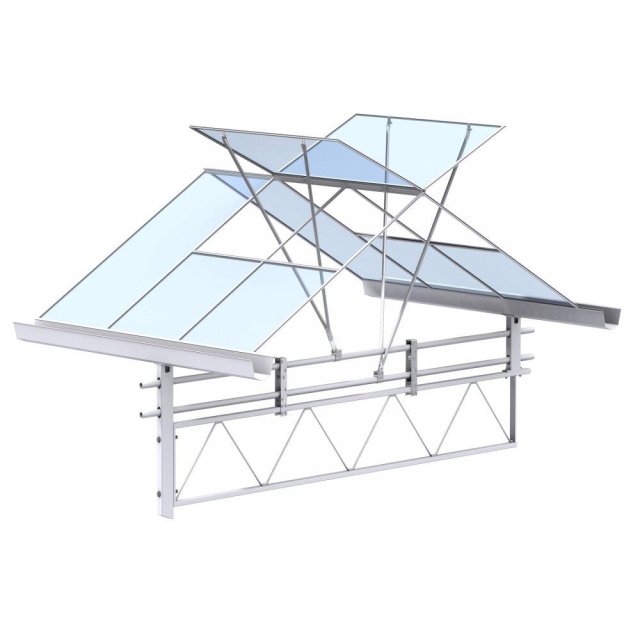
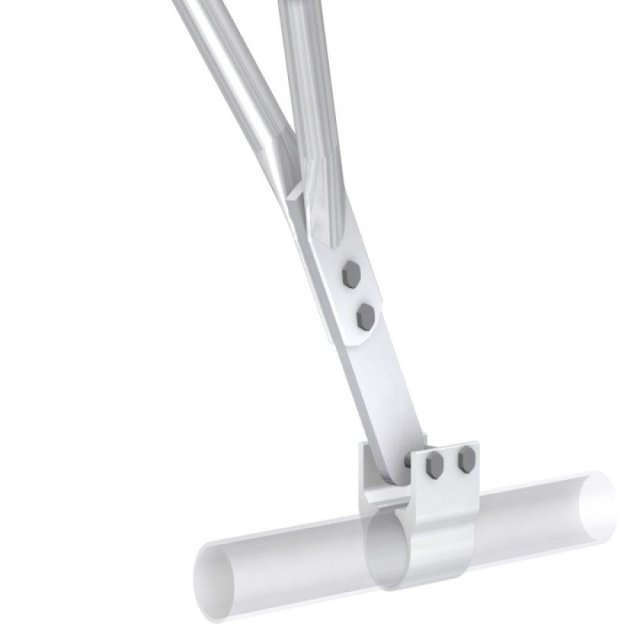
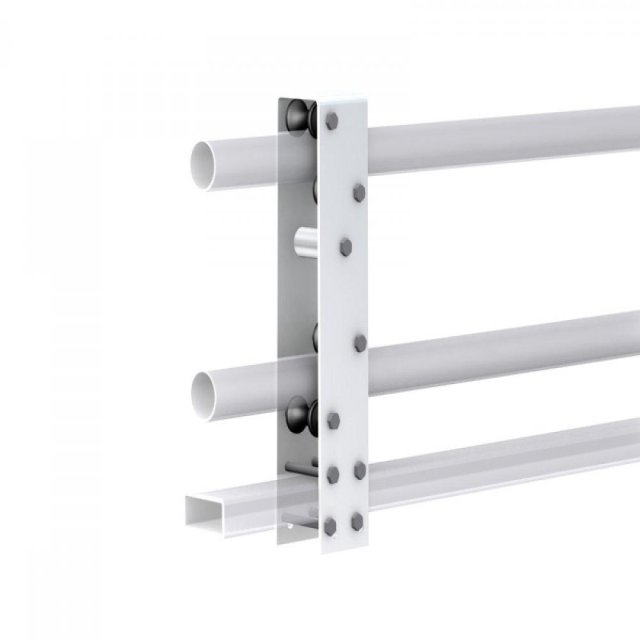
In this type of rail mechanism, two pull/push tubes are mounted one above the other on the truss. Each tube operates one of the opposing continuous windows. In this system, the push rods run very close to each other and must therefore be dimensioned with extreme precision. We use a 3D simulation for this purpose. This allows us to quickly and accurately verify the smooth operation of the sash windows. For optimal stability, we mount the push rods to the pull/push tube using an AK block and a heavy-duty aluminum tube clamp.
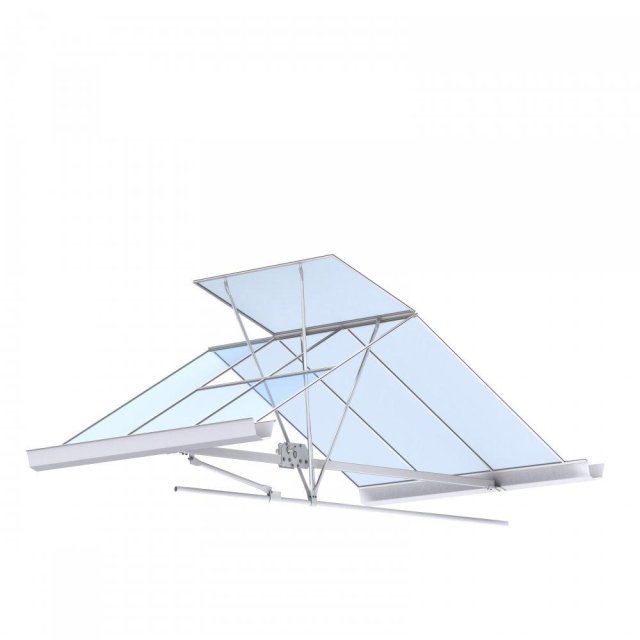
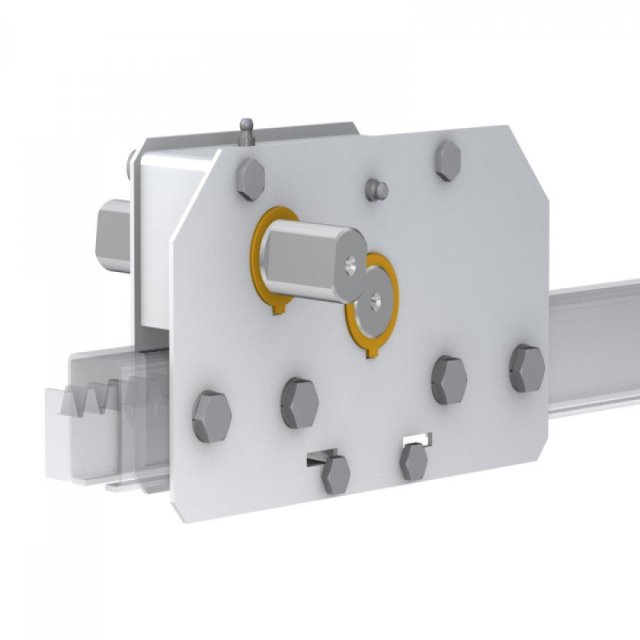
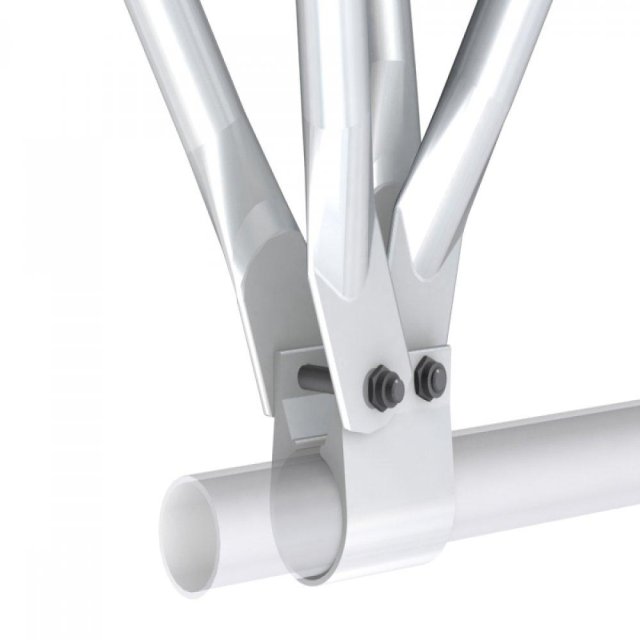
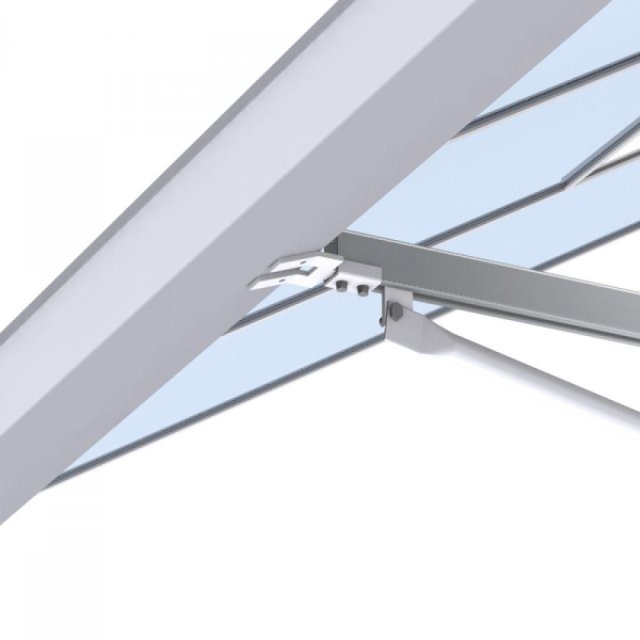
The swing-type ventilation system is one of the oldest systems still in use. The principle of the swing-type system is that the ventilation windows are not located above the rafter, as in the rail-type ventilation system, but in the middle of a bay. The ventilation windows are opened using ridge pushers, window pushers, and a pull/push tube mounted on the pushers that performs a rocking motion when opening or closing.
This system allows for some tolerance during glazing, as the pull/push tube compensates for any misalignment of the ventilation windows.
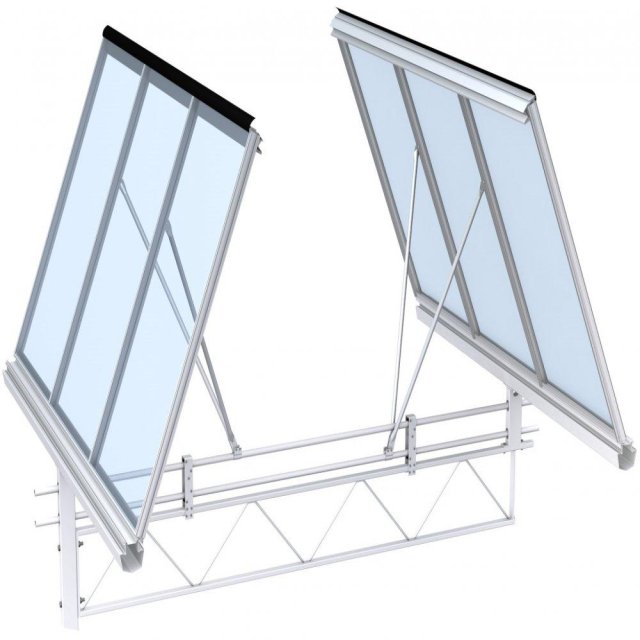
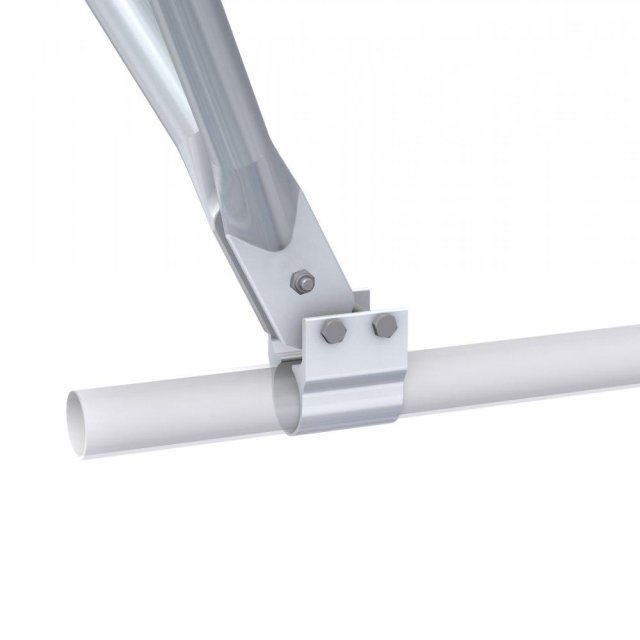
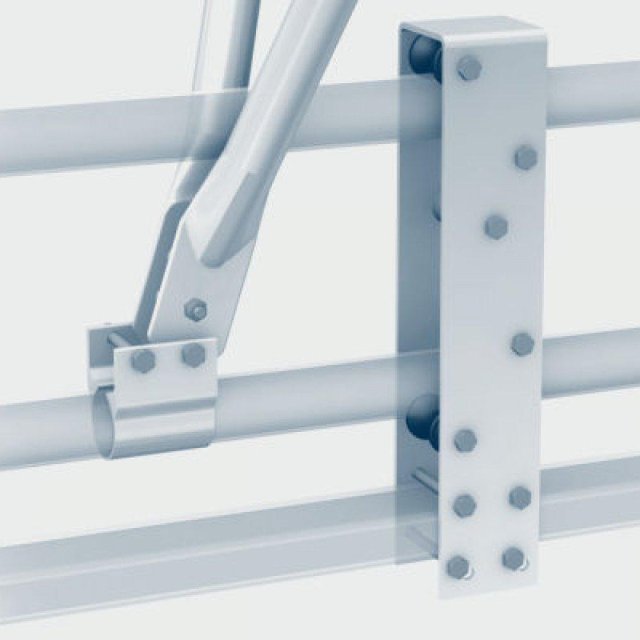
With this type of ventilation system as well, the two roof halves can be opened independently of each other, and the two pull/push tubes are positioned one above the other. With cabriolet ventilation, however, the windows close into the ridge, unlike standard ventilation, which hinges at the ridge. To ensure good stability, the lift mechanisms for this type of ventilation are usually made of galvanized steel.
The drive system for convertible ventilation is the same as that for double-running ventilation, including DDL rail mechanisms and an AK block.